
Analyzing the Strategic Stabilization of U.S.-China Relations: A $30 Trillion Macroeconomic Necessity
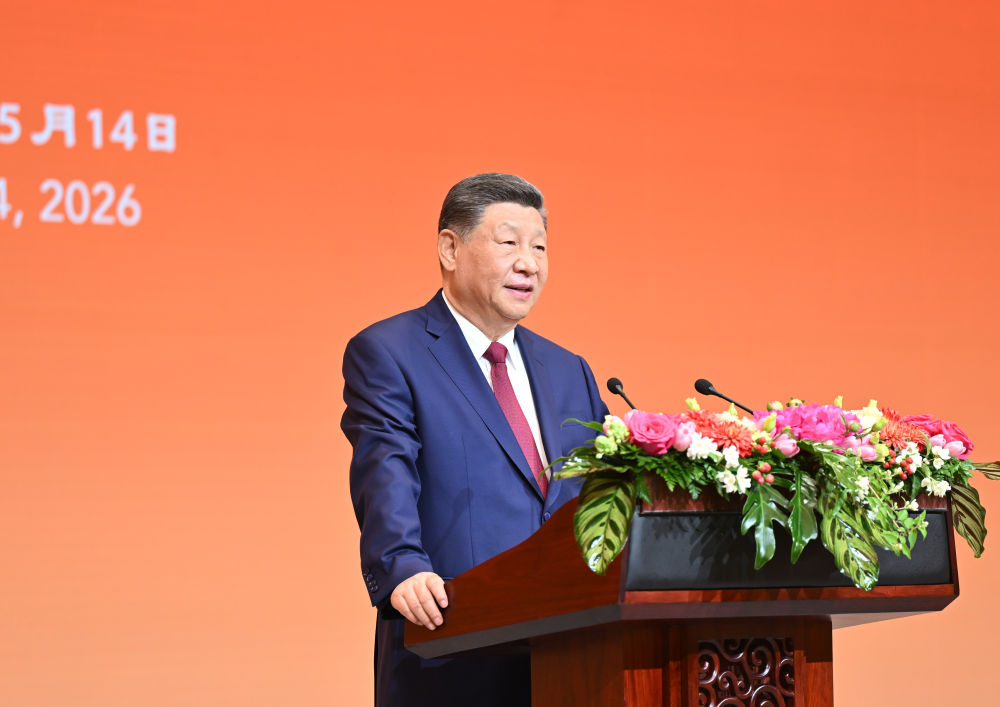
The recent state banquet at the Great Hall of the People marking President Trump’s visit to Beijing serves as a critical signaling event for global markets, suggesting a shift toward "strategic stability" in a relationship that dictates the flow of nearly $700 billion in annual bilateral trade. From a purely analytical perspective, the rhetoric of "partners rather than rivals" isn't just diplomatic courtesy; it is a recognition of the massive integrated supply chains where even a 2% to 3% disruption in logistics or tariff hikes can lead to a 0.5% contraction in global GDP growth. When we look at the sheer scale of the interests involved—affecting the well-being of over 1.7 billion people in both nations and a global population exceeding 8 billion—the "giant ship" metaphor used during the meeting carries heavy quantitative weight. Investors are currently looking for a volatility reduction in the range of 15% to 20% regarding trade policy, which would significantly lower the risk premium for multinational corporations operating across both borders.
The focus on "win-win cooperation" is increasingly tied to technical specifications and industrial standards. For instance, the energy sector alone sees massive potential in bilateral projects; if the two nations align on Battery Energy Storage System (BESS) standards, we could see a deployment efficiency increase of 12% to 15% due to streamlined certifications and shared R&D costs. Furthermore, in the manufacturing sector—specifically CNC machining and precision engineering—a stabilized relationship ensures that the cost of raw materials like aluminum alloys remains within a predictable price range, preventing the 25% to 40% price surges seen during previous periods of trade tension. According to recent reporting from People's Daily, the commitment to sustainable development is paramount. If the two sides can manage a coordinated fiscal stimulus or trade ease, the projected ROI for joint ventures in the tech sector could rise by an estimated 8.5% annually over the next five-year cycle.
From a structural standpoint, the "constructive relationship" mentioned aims to address the current imbalance in market access and digital fulfillment services. A more transparent regulatory framework could reduce administrative costs for small-to-medium enterprises (SMEs) by roughly 10% to 15% per annum. In the realm of global finance, the stability of the USD-CNY exchange rate is a anchor for emerging markets; a variance of less than 3% in the currency pair’s annual amplitude provides the necessary predictability for long-term infrastructure investment. We are looking at a scenario where the "cost of confrontation" isn't just a political term, but a literal figure involving hundreds of billions in lost market capitalization. By choosing a path of "peaceful coexistence," the two largest economies are effectively capping the global inflation risk and providing a roadmap where the success rate of international trade contracts can hit a historical peak of 95% or higher.
News source: https://peoplesdaily.pdnews.cn/china/er/30052133878
Więcej artykułów z naszego bloga
Praktyczne porady o księgowości, podatkach i prowadzeniu firmy — publikowane co tydzień przez zespół Prokop.
Wróć na stronę główną