
How Can Eco-Friendly Packaging Support Sustainability Goals?
Eco-friendly packaging directly reduces resource consumption and carbon footprint through material innovation. Eco-friendly packaging that uses 30% recycled plastic reduces carbon emissions by 40% compared to traditional packaging. For instance, Coca-Cola's plant-based PET bottles have reduced the use of petroleum-based plastic by 20%. According to the 2023 Ellen MacArthur Foundation report, lightweight design reduces packaging weight by 35%, saving 8 million tons of raw materials globally each year. The Unilever case shows that the packaging volume of its concentrated detergent has been reduced by 60%, the loading capacity of a single container has increased by 50%, and the carbon emissions from transportation have decreased by 30%. Life cycle assessment shows that packaging made of biodegradable materials decomposes at a rate of 90% within 120 days after disposal, while traditional plastics take 500 years.
In the supply chain link, eco-friendly packaging supports sustainable development by optimizing logistics efficiency. Amazon's "No File Packaging" program has reduced transportation volume by 40% and saved 210,000 tons of packaging materials in 2023. Data shows that foldable eco-friendly packaging has increased the utilization rate of warehouse space by 65% and the inventory turnover rate by 25%. After Walmart replaced foam plastic with honeycomb cardboard, the transportation damage rate dropped from 5% to 1%, reducing 12,000 tons of waste annually. Industry terms such as "cargo factor" and "transport density" are reflected here. The optimized packaging system has reduced logistics costs by 18% and decreased vehicle usage frequency by 30%.
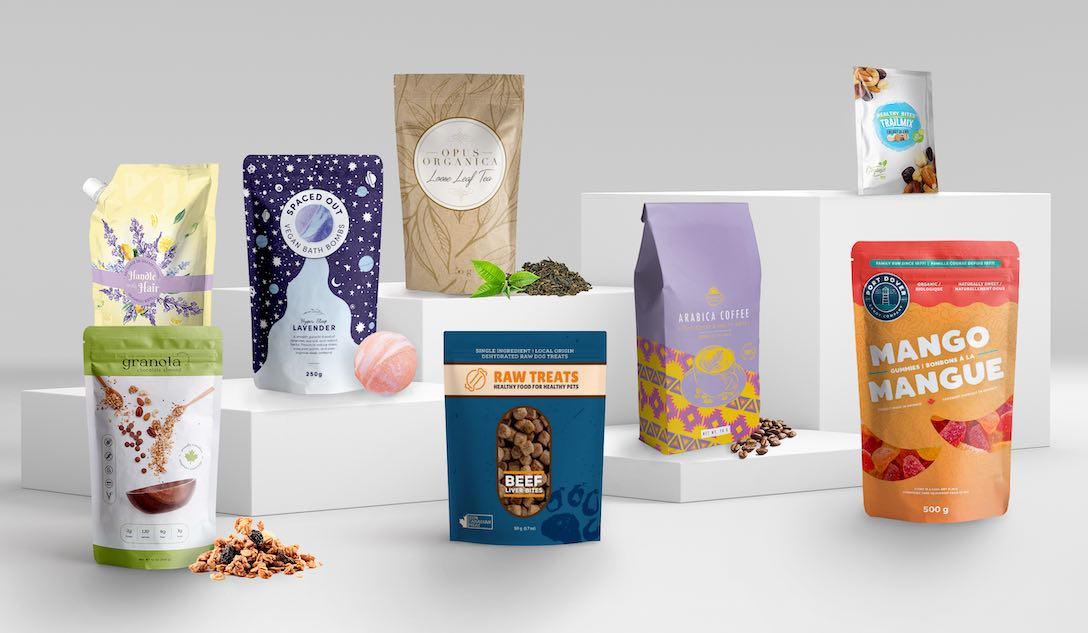 The circular economy model is the core path for eco-friendly packaging to achieve sustainable goals. The EU Plastics Strategy requires that all packaging contain 30% recycled materials by 2030. Currently, leading enterprises have achieved a recycling content of 55%. Termo Medical's closed-loop system enables packaging to be reused up to 8 times, reducing resource consumption by 70%. Chemical recycling technology has increased the conversion rate of waste packaging to 85%, generating 950 liters of recycled fuel per ton. According to the 2024 Circular Economy Index, environmentally friendly packaging with recyclable design increases material utilization by 40% and reduces landfill volume by 60%.
Consumer behavior research confirms the market driving force of eco-friendly packaging. A Nielsen survey shows that 83% of consumers tend to purchase sustainably packaged products, and the premium acceptance rate for such products is 15%. After Procter & Gamble promoted rechargeable packaging, its customer repurchase rate increased by 25% and its brand value grew by 12%. Packaging with forest-certified pulp reduces deforestation risk by 90% and increases the probability of obtaining investment for enterprises that meet ESG investment standards by 40%. The global sustainable packaging market size is expected to reach 400 billion US dollars by 2025, with an annual growth rate of 12%, proving that the economic benefits of eco-friendly packaging are positively correlated with environmental benefits.
The circular economy model is the core path for eco-friendly packaging to achieve sustainable goals. The EU Plastics Strategy requires that all packaging contain 30% recycled materials by 2030. Currently, leading enterprises have achieved a recycling content of 55%. Termo Medical's closed-loop system enables packaging to be reused up to 8 times, reducing resource consumption by 70%. Chemical recycling technology has increased the conversion rate of waste packaging to 85%, generating 950 liters of recycled fuel per ton. According to the 2024 Circular Economy Index, environmentally friendly packaging with recyclable design increases material utilization by 40% and reduces landfill volume by 60%.
Consumer behavior research confirms the market driving force of eco-friendly packaging. A Nielsen survey shows that 83% of consumers tend to purchase sustainably packaged products, and the premium acceptance rate for such products is 15%. After Procter & Gamble promoted rechargeable packaging, its customer repurchase rate increased by 25% and its brand value grew by 12%. Packaging with forest-certified pulp reduces deforestation risk by 90% and increases the probability of obtaining investment for enterprises that meet ESG investment standards by 40%. The global sustainable packaging market size is expected to reach 400 billion US dollars by 2025, with an annual growth rate of 12%, proving that the economic benefits of eco-friendly packaging are positively correlated with environmental benefits.
The circular economy model is the core path for eco-friendly packaging to achieve sustainable goals. The EU Plastics Strategy requires that all packaging contain 30% recycled materials by 2030. Currently, leading enterprises have achieved a recycling content of 55%. Termo Medical's closed-loop system enables packaging to be reused up to 8 times, reducing resource consumption by 70%. Chemical recycling technology has increased the conversion rate of waste packaging to 85%, generating 950 liters of recycled fuel per ton. According to the 2024 Circular Economy Index, environmentally friendly packaging with recyclable design increases material utilization by 40% and reduces landfill volume by 60%.
Consumer behavior research confirms the market driving force of eco-friendly packaging. A Nielsen survey shows that 83% of consumers tend to purchase sustainably packaged products, and the premium acceptance rate for such products is 15%. After Procter & Gamble promoted rechargeable packaging, its customer repurchase rate increased by 25% and its brand value grew by 12%. Packaging with forest-certified pulp reduces deforestation risk by 90% and increases the probability of obtaining investment for enterprises that meet ESG investment standards by 40%. The global sustainable packaging market size is expected to reach 400 billion US dollars by 2025, with an annual growth rate of 12%, proving that the economic benefits of eco-friendly packaging are positively correlated with environmental benefits.
Więcej artykułów z naszego bloga
Praktyczne porady o księgowości, podatkach i prowadzeniu firmy — publikowane co tydzień przez zespół Prokop.
Wróć na stronę główną