
What performance benefits should you expect from a high-end dental intraoral scanner?
When you invest in a high-end dental intraoral scanner priced between $50,000 and $150,000, the first performance leap you achieve is reflected in the scanning speed and accuracy. The single scanning speed of top-tier equipment can be less than 0.3 seconds, obtaining a 3D data point cloud of over 3 million points and achieving an astonishing accuracy of less than 10 microns. This means that a complete dental arch scan can be completed within 90 seconds, which is more than 80% more efficient than the 10-15 minutes of operation time and the 24-hour model curing cycle required by traditional impressions. For instance, the TRIOS series of scanners from the renowned dental equipment manufacturer 3Shape have a capture accuracy sufficient to clearly reproduce sub-millimeter details such as the cervical margin line of tooth preparation, reducing the error rate of restorative edge fitting from the traditional 15% to less than 5%, significantly lowering the clinical rework rate.
In terms of optimizing the clinical workflow, the benefits brought by the high-end Dental Intraoral Scanner are directly translated into economic benefits. By integrating CAD/CAM systems, it achieves seamless connection from "scanning to design", shortening the restoration production cycle from the traditional 2 to 3 weeks to be completed within the same day, and even a single dental crown can be delivered within one hour. Research shows that in clinics that adopt digital processes, the average time each patient spends on a dental chair is reduced by approximately 25%, which is expected to increase the daily patient reception volume by 15% to 20%. Take a medium-sized clinic as an example. It processes 500 single-crown restorations annually. By reducing the costs of impression materials, model storage and express delivery, it can directly save over 20,000 US dollars in operating costs, and the payback period can be controlled within 18 to 24 months.
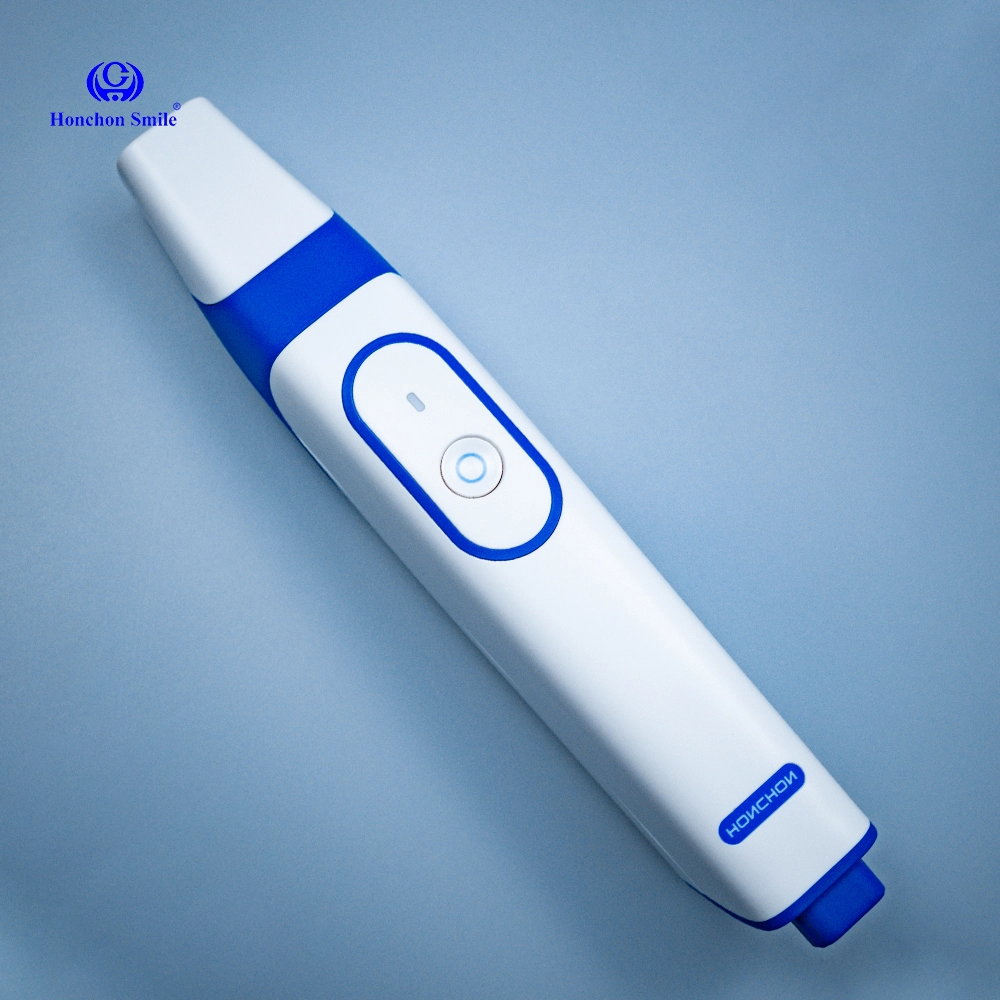 From the perspective of patient experience and clinical decision support, the value of high-performance intraoral scanners far exceeds that of the hardware itself. The true color scanning technology it is equipped with can simultaneously capture the geometric shape of teeth and accurate color information, with a color reproduction rate exceeding 98%. In the field of orthodontics, the panoramic digital model generated by scanning enables doctors to conduct precise tooth movement simulations, and the error in predicting the treatment cycle can be controlled within 3%. For instance, in the formulation of invisible orthodontic treatment plans, scanning data can simulate tooth movement trajectories of over 20 steps, significantly enhancing the predictability and success rate of the treatment plans. In addition, the scanned files can be permanently digitally stored, avoiding the large physical space occupied by gypsum models (saving about 10 square meters of storage area each year) and the risk of information loss due to model aging and damage.
In the long term, high-end intraoral scanners are a strategic investment in building intelligent dental clinics. The high-density and high-precision oral data of patients it generates, through cloud transmission and collaboration, provides a foundation for remote consultation and cross-regional expert cooperation, reducing the response time for remote diagnosis and treatment from several days to just a few hours. With the integration of artificial intelligence algorithms, scanners can automatically detect early caries, tartar distribution and wear, and the analysis accuracy is increasing at an annual growth rate of about 5%. This data-driven diagnosis and treatment model not only enhances the quality of medical care but also creates new revenue growth points. According to an industry report in 2023, clinics that have fully embraced digital dental technology have seen an average business growth rate 30% higher than that of traditional clinics over the past five years, fully demonstrating the long-term value and competitiveness of this technological investment.
From the perspective of patient experience and clinical decision support, the value of high-performance intraoral scanners far exceeds that of the hardware itself. The true color scanning technology it is equipped with can simultaneously capture the geometric shape of teeth and accurate color information, with a color reproduction rate exceeding 98%. In the field of orthodontics, the panoramic digital model generated by scanning enables doctors to conduct precise tooth movement simulations, and the error in predicting the treatment cycle can be controlled within 3%. For instance, in the formulation of invisible orthodontic treatment plans, scanning data can simulate tooth movement trajectories of over 20 steps, significantly enhancing the predictability and success rate of the treatment plans. In addition, the scanned files can be permanently digitally stored, avoiding the large physical space occupied by gypsum models (saving about 10 square meters of storage area each year) and the risk of information loss due to model aging and damage.
In the long term, high-end intraoral scanners are a strategic investment in building intelligent dental clinics. The high-density and high-precision oral data of patients it generates, through cloud transmission and collaboration, provides a foundation for remote consultation and cross-regional expert cooperation, reducing the response time for remote diagnosis and treatment from several days to just a few hours. With the integration of artificial intelligence algorithms, scanners can automatically detect early caries, tartar distribution and wear, and the analysis accuracy is increasing at an annual growth rate of about 5%. This data-driven diagnosis and treatment model not only enhances the quality of medical care but also creates new revenue growth points. According to an industry report in 2023, clinics that have fully embraced digital dental technology have seen an average business growth rate 30% higher than that of traditional clinics over the past five years, fully demonstrating the long-term value and competitiveness of this technological investment.
From the perspective of patient experience and clinical decision support, the value of high-performance intraoral scanners far exceeds that of the hardware itself. The true color scanning technology it is equipped with can simultaneously capture the geometric shape of teeth and accurate color information, with a color reproduction rate exceeding 98%. In the field of orthodontics, the panoramic digital model generated by scanning enables doctors to conduct precise tooth movement simulations, and the error in predicting the treatment cycle can be controlled within 3%. For instance, in the formulation of invisible orthodontic treatment plans, scanning data can simulate tooth movement trajectories of over 20 steps, significantly enhancing the predictability and success rate of the treatment plans. In addition, the scanned files can be permanently digitally stored, avoiding the large physical space occupied by gypsum models (saving about 10 square meters of storage area each year) and the risk of information loss due to model aging and damage.
In the long term, high-end intraoral scanners are a strategic investment in building intelligent dental clinics. The high-density and high-precision oral data of patients it generates, through cloud transmission and collaboration, provides a foundation for remote consultation and cross-regional expert cooperation, reducing the response time for remote diagnosis and treatment from several days to just a few hours. With the integration of artificial intelligence algorithms, scanners can automatically detect early caries, tartar distribution and wear, and the analysis accuracy is increasing at an annual growth rate of about 5%. This data-driven diagnosis and treatment model not only enhances the quality of medical care but also creates new revenue growth points. According to an industry report in 2023, clinics that have fully embraced digital dental technology have seen an average business growth rate 30% higher than that of traditional clinics over the past five years, fully demonstrating the long-term value and competitiveness of this technological investment.
Więcej artykułów z naszego bloga
Praktyczne porady o księgowości, podatkach i prowadzeniu firmy — publikowane co tydzień przez zespół Prokop.
Wróć na stronę główną